
*This post may contain affiliate links for which I earn commissions.*
You see rollator walkers everywhere. In parks, shops, and waiting rooms. But hardly anyone stops to think about where they came from—or who made the first one.
It didn’t start in a lab. It started with one woman in Sweden who had walked that hard road herself.
Her name was Aina Wifalk. After polio, she lived with pain, used canes, and knew what it meant to feel unsteady. She also worked with others facing the same struggles. So, she tried something different.
What she came up with changed everyday life for millions of people. And she didn’t ask for anything in return—not even credit.
From a Hospital Bed to a Lifelong Mission
At 21, Aina was studying to become a nurse in Sweden. Then polio hit. Just like that, her path changed forever. She had to give up her career dreams, and suddenly found herself on the other side of care, as the one needing support.
But instead of giving up, she redirected her energy. She started working with people with disabilities. She knew their frustrations because she lived them too.
Decades later, dealing with post-polio symptoms, Aina was using canes. But they weren’t enough. Her shoulders ached. Balance was tricky. She needed something better, so she designed it.
The Birth of the Rollator
In 1978, Aina got a small grant to test out her idea. She didn’t work in a lab or at a big company—just a small team, trying something new. They built a frame with four wheels, brakes, handlebars, and a place to sit if you needed a break.
It might sound simple now, but it was completely different from anything out there at the time.
What made it special wasn’t just the hardware—it was how she thought it through. She’d lived with the pain of weak legs and sore shoulders. She knew how awkward it felt to always lean on someone else. So she made something that worked indoors, outdoors, on sidewalks, in shops—wherever people needed it.
And more than that, it gave people space. Space to move at their own pace. Space to stop and rest. And space to go about life without always asking for help.
More Than Just a Walker
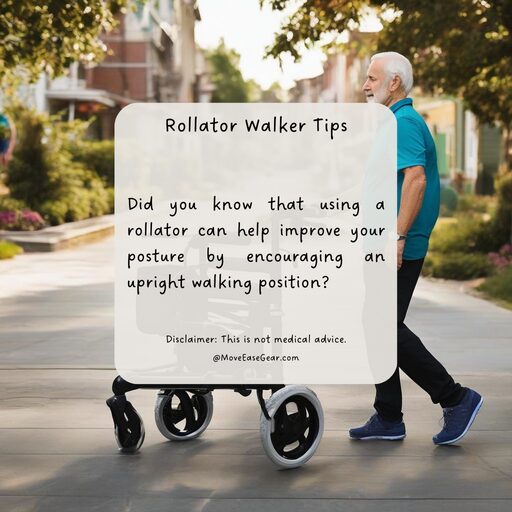
The rollator wasn’t made to be fancy. It was made to help. It gave people the chance to walk down the street or get through the grocery store without worrying about falling.
Here’s what that kind of design really meant:
- Less pain – With better weight distribution, it didn’t strain the body as much.
- More stability – Those four wheels made people feel grounded, even when the sidewalk wasn’t perfect.
- Freedom to rest – The built-in seat meant you didn’t have to search for a bench when you got tired.
- Confidence – You could move at your own pace without holding onto someone else for balance. – Users didn’t need to cling to someone else’s arm anymore.
Her Legacy Lives On
Aina Wifalk never patented her invention. She didn’t seek profits. She just wanted people to benefit. That mindset? It stuck. Today, millions around the world rely on rollators—most without ever knowing her name.
But they feel her work. Every time they sit to rest, every time they cross a room without fear, every time they walk alone and feel safe.
Her story reminds us: the best inventions don’t always come from labs. Sometimes, they come from living the struggle yourself, and refusing to let others go through it the same way.